
S9R DXpedition — São Tomé e Príncipe
Operation Details
The S9R DXpedition will take place from October 17 to 31, 2026, from São Tomé and Príncipe, specifically from Tamarindos, grid locator JJ30hj.
This amateur radio operation aims to provide operators worldwide with the opportunity to work a rare and highly sought-after DX destination across multiple bands and modes.
The activity will focus on efficient station management, disciplined operating practices, and fair access to all regions, with particular attention to propagation conditions and band openings throughout the expedition.
Team
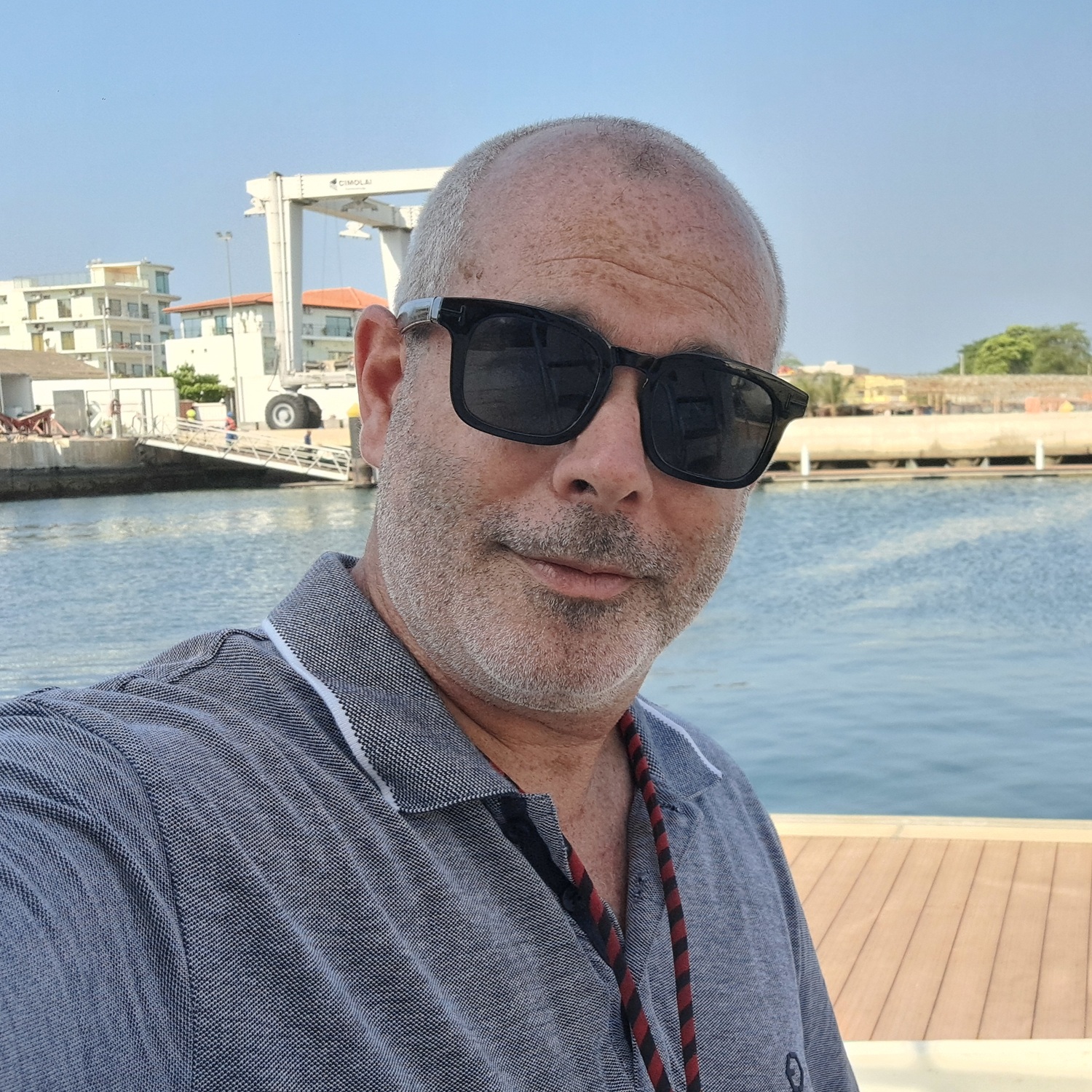
Vasco Vieira
D2ACE
Angola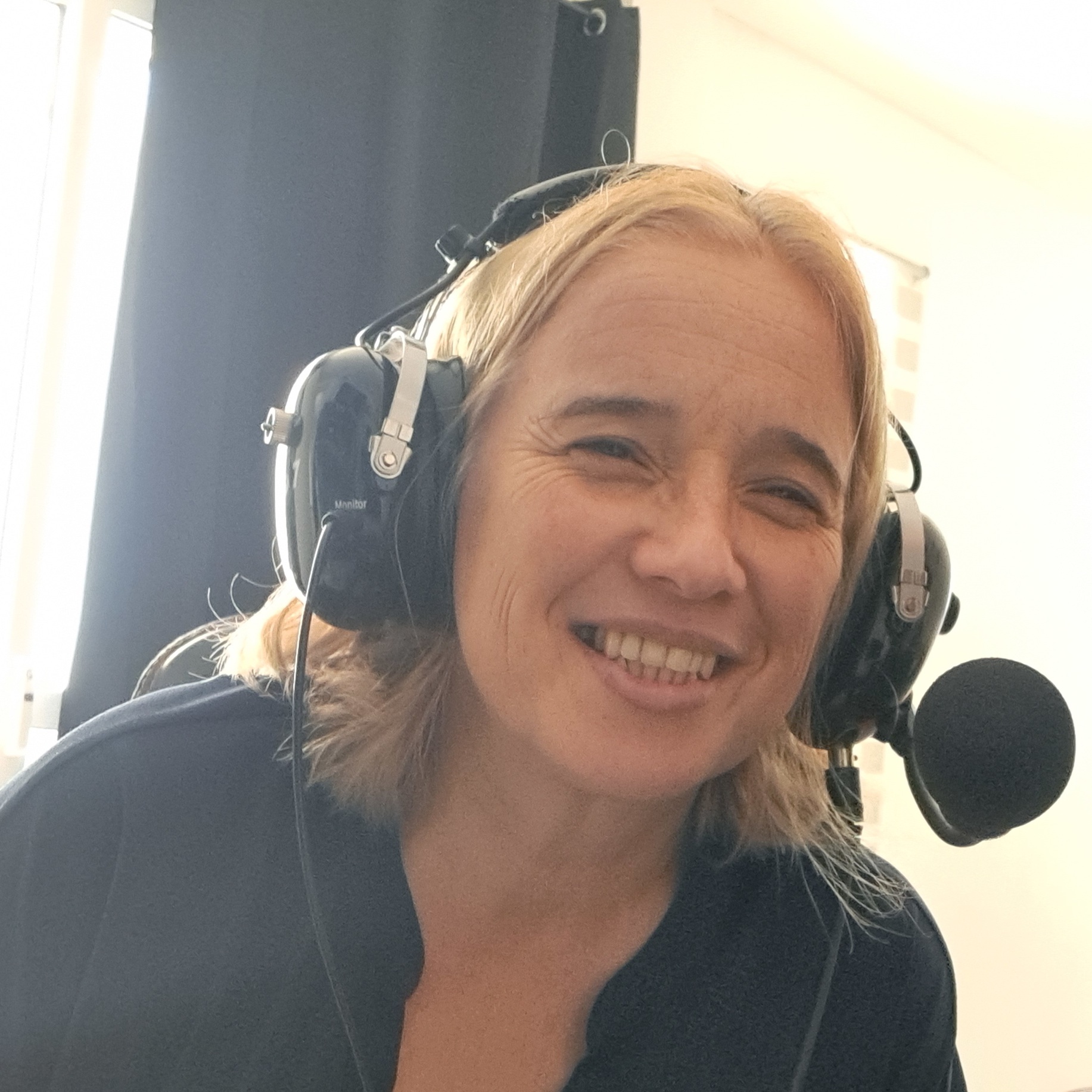
Isabel Machado
D2IM
Angola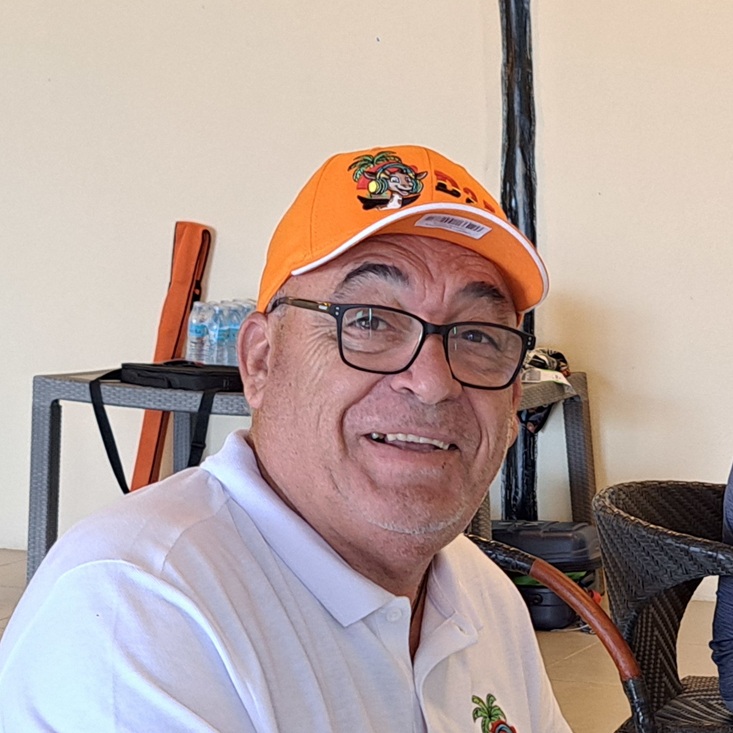
Francisco Suero
EC7R
Spain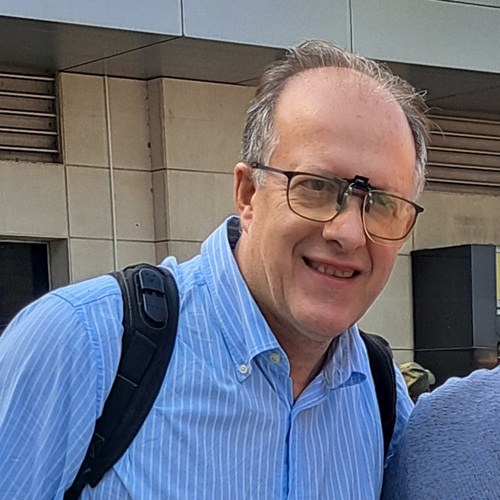
Jorge Lopes
CT1BOL
Portugal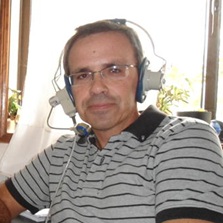
Augusto Oliveira
CT1BZG
Portugal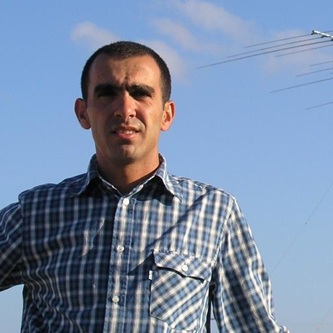
José Vasconcelos
CT3MD
Portugal - Madeira
Jose Beja
CT2GFW
PortugalEquipment
The station will be equipped to operate reliably across the planned bands and modes, using dedicated antennas, transceivers and logging systems suitable for DXpedition activity.
Stations
Station 1
DIGITAL · CW · SSBStation 2
DIGITAL · CW · SSBStation 3
DIGITAL · CW · SSBStation 4
DIGITAL · SSBAntennas
- Spiderbeam
- Hexbeam
- 40m Vertical
- EFHW 10m–80m
- 5 Element Yagi (6m)
Logging
Computer-based logging and online log updates whenever possible, ensuring accurate confirmation and efficient QSO management.
Band Plan
The following band plan is provided as a reference for the S9R operation. Frequencies may be adjusted depending on local conditions, QRM, propagation and operator availability.
| Band | CW | SSB | RTTY | FT8 |
|---|---|---|---|---|
| 6M | 50095 | 50115 | 50313/50323 | |
| 10M | 28015 | 28440 | 28100 | 28095 |
| 12M | 24891 | 24965 | 24918 | 24920 |
| 15M | 21019 | 21255 | 21085 | 21080 |
| 17M | 18071 | 18150 | 18102 | 18090 |
| 20M | 14015 | 14240 | 14088 | 14090 |
| 30M | 10110 | ------- | 10144 | 10133 |
| 40M | 7012 | 7095 | 7044 | 7071 |
| 60M | 5353 | 5360 | ------- | 5357 |
| 80M | 3520 | 3785 | 3585 | 3567 |
| 160M | 1823.5 | ------ | ------ | 1843 |
Please listen carefully before calling and follow the operators’ instructions. Split operation may be used whenever required to maintain an efficient and well-organised pile-up.
We will also attempt activity via the QO-100 satellite whenever possible.
Split operation will be used at all times. Please ensure your transceiver is correctly configured before calling and carefully follow the operator’s instructions.
Typical split ranges:
CW: up 1–5 kHz
SSB: up 5–15 kHz
RTTY: up 3–10 kHz
For FT8 operation, the MSHV software (2 to 6 slots) will be used on the announced frequency. Stations should call in normal mode and remain on their own transmit frequency.
Please do not transmit on our calling frequency. QSOs will be confirmed and logged on our server once RR73 or 73 is sent.
QSL Policy
QSL information will be announced by the team. Please check the official channels for direct QSL, bureau, LoTW and online log confirmation details.
Operators are kindly requested to avoid duplicate QSOs and to verify their contacts through the online log when available.